
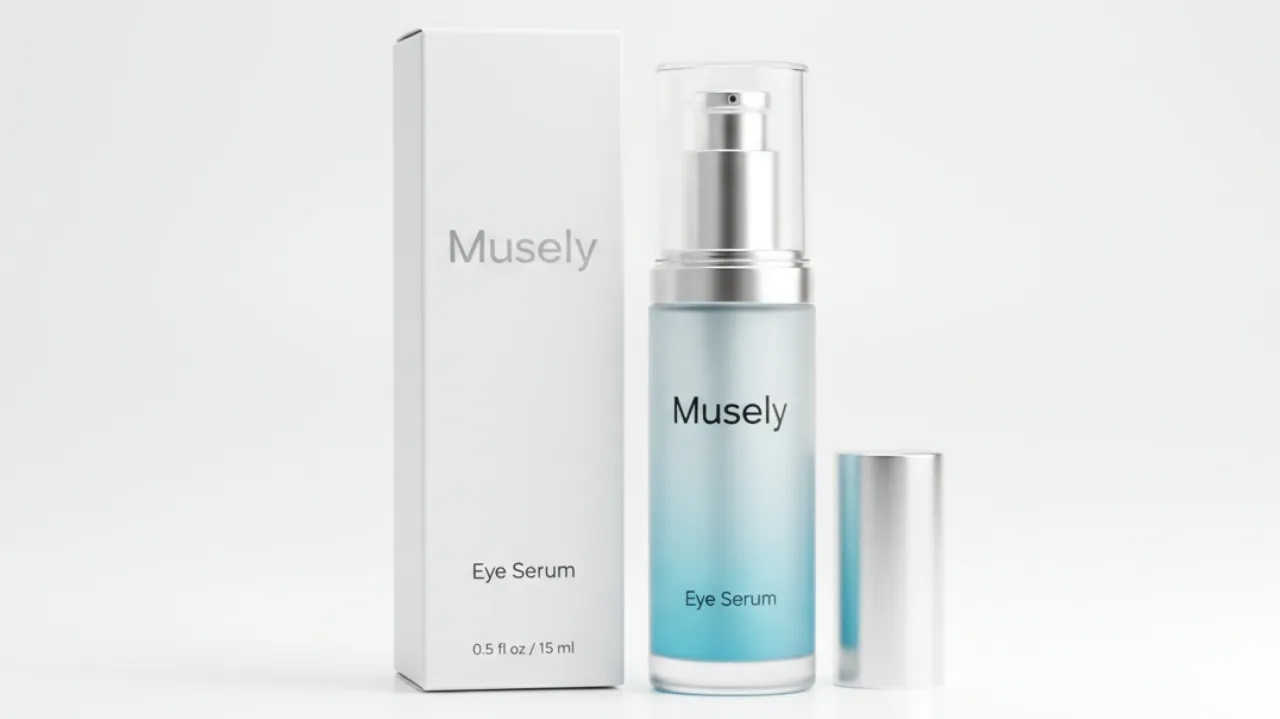
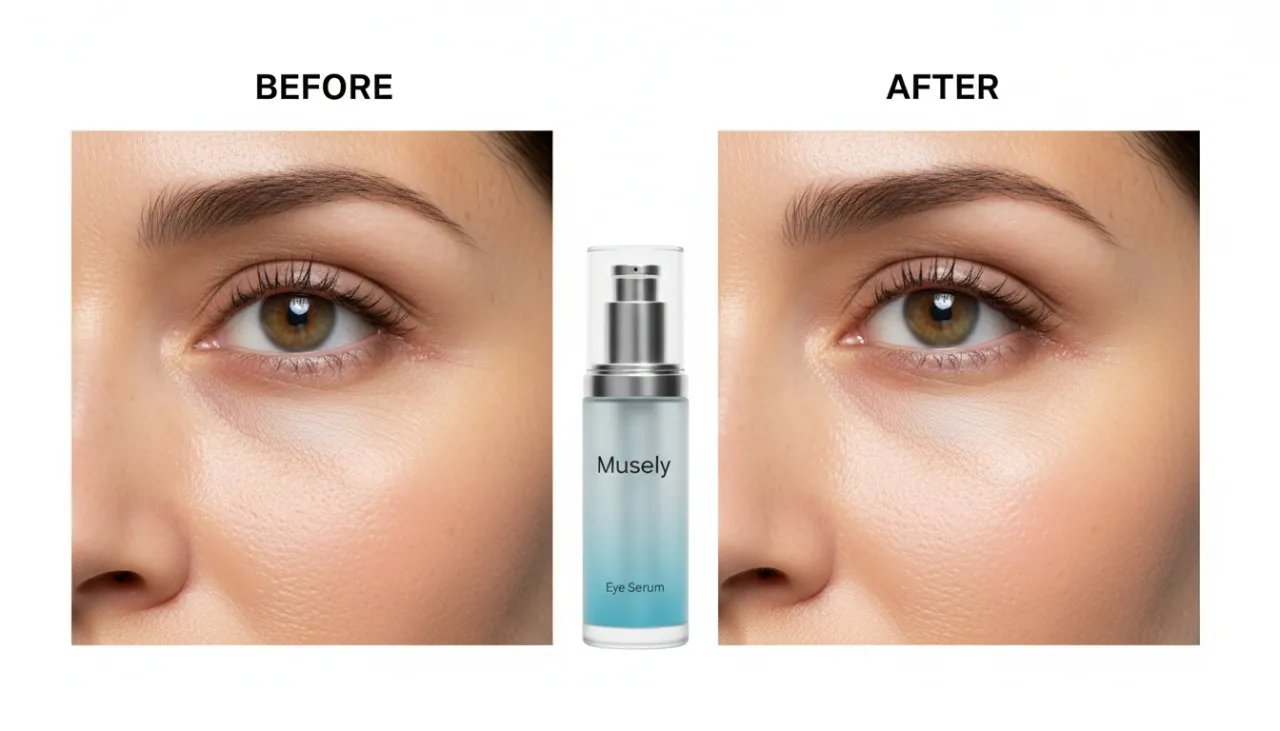
Musely Eye Serum Guide: How It Transformed My Under Eyes
I’ve tested more eye serums than I’d like to admit. Some barely make a dent, others irritate my skin, and a few land in the “okay, this might actually be working” category. Musely Eye Serum ended up being one of those.
What made me curious was the formula. It isn’t just another hydrating gel with a fancy label. It combines tretinoin, niacinamide, caffeine, hyaluronic acid, and vitamin C — ingredients that don’t just sit there looking impressive, they actually do something. Of course, “do something” can also mean side effects if you’re not careful.
In this review, I’ll walk you through how it worked for me, the good and the not-so-good, and whether I think it’s worth the space in your routine.
Before I dive into my full experience, let me give you a quick map of what you’ll learn here.
What you’ll find in this review:
- The exact benefits I noticed with Musely Eye Serum.
- A breakdown of the main ingredients and what they actually do.
- How I used it in my routine for the best results.
- Possible side effects you should watch out for.
- Whether it’s worth choosing over alternatives like Ordinary or L’Oréal Eye Serum.
Let’s start with the ingredient list because, let’s be honest, that’s where the truth usually hides.
Ingredients Explained
Musely didn’t play it safe with a “hydrating only” formula. Instead, they went bold — mixing prescription-level actives with gentler calming agents. Here’s how I see each of them.
Tretinoin (0.001%) – The Heavy Hitter
This is the ingredient that makes dermatologists nod with approval. Tretinoin is basically Vitamin A’s most famous child. FDA-approved, time-tested, and often called the gold standard in anti-ageing.
What I noticed: it improves skin cell turnover, which means fewer fine lines, smoother texture, and tighter under-eyes. It also works on acne, which is a nice bonus if breakouts hang out around your eye area (it happens).
But let me be real: it’s not all sunshine. Dryness, flaking, and redness are almost guaranteed when you first start. My tip? Use it very sparingly and give your skin time to adjust. Think of it like a tough personal trainer — annoying at first, but results show that if you stick with it.
Oh, and a serious note: no retinoids during pregnancy.
Caffeine (1%) – The Wake-Up Call
I like my caffeine in the morning, both in my mug and under my eyes. In skincare, caffeine is praised for shrinking puffiness and reducing dark circles. Research is a little split, though — some studies say it helps, others shrug.
From my own experience, it did give my under-eyes a fresher, less tired look. Maybe it wasn’t dramatic, but I’ll take looking “well-rested” over “haven’t slept in three days” any time.
There’s also some buzz about caffeine improving hair growth and even reducing cellulite. That’s outside the eye serum territory, but it tells me this ingredient isn’t a one-trick pony.
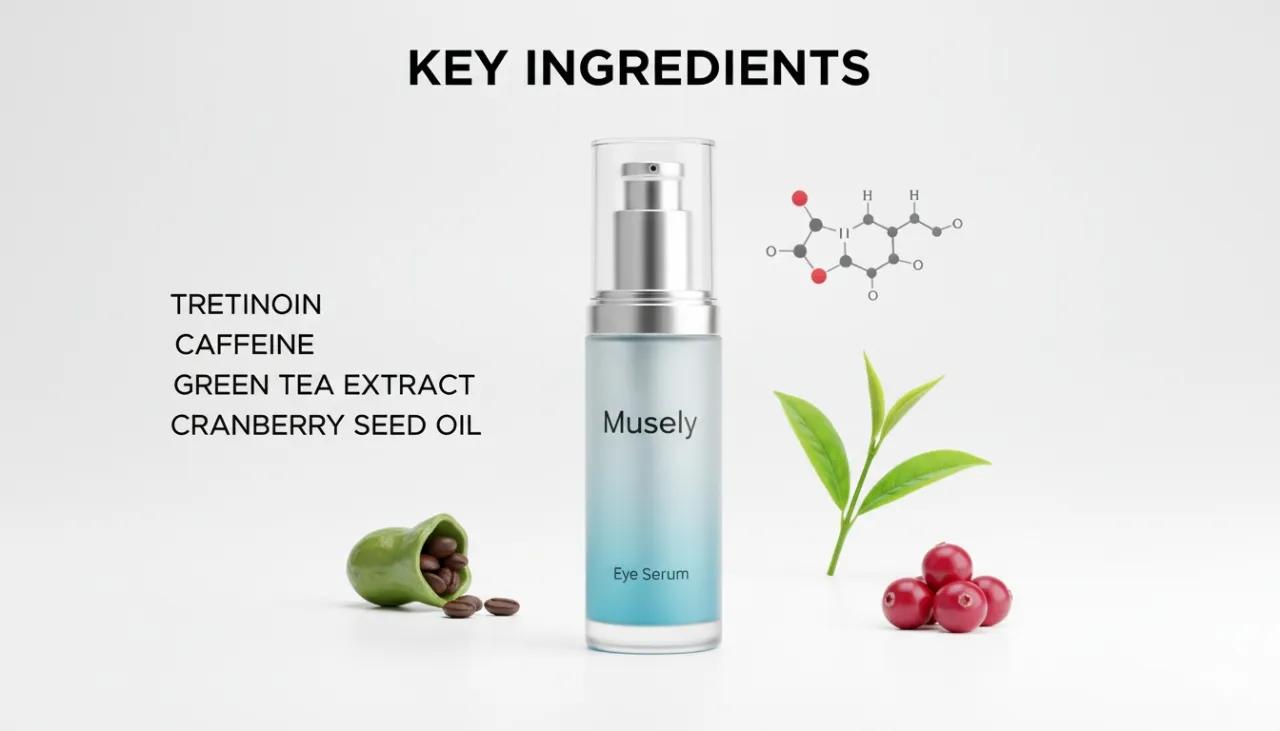
Hyaluronic Acid (2%) – The Sponge
If your skin ever felt like sandpaper, hyaluronic acid is the hydrator that changes things fast. It binds water like a sponge — up to 1000 times its weight. No wonder it’s in half the skincare aisle.
Musely’s version uses multiple weights of HA. The heavier molecules sit on the surface to hydrate and protect, while the lighter ones sink in a little deeper. For me, this meant less crepiness under the eyes and a smoother base for concealer.
It’s not dramatic like tretinoin, but it plays the supportive role perfectly. Think of it as the reliable best friend in the group project.
Niacinamide (2%) – The Multi-Tasker
I’ve said this before: niacinamide is like the person at work who does five jobs and never complains. In Musely Eye Serum, it brightens, strengthens the skin barrier, and smooths uneven tone.
Over time, I noticed less dullness and more evenness under my eyes. It also seemed to help keep redness at bay, especially during the weeks when tretinoin was making things tricky.
Fun fact: it even helps with acne, so if your under-eye area sometimes gets small bumps or clogged pores, niacinamide quietly handles it in the background.
What I Learned from Using Musely’s Formula
A few months into testing, here’s what stood out:
- Tretinoin is effective, but it requires patience. My lines softened, but peeling was part of the journey.
- Caffeine helped my mornings look less tragic. It wasn’t magic, but my puffiness didn’t stick around as long.
- Hydration saved me. Hyaluronic acid kept things balanced when tretinoin tried to dry me out.
- Niacinamide was the quiet hero. It kept redness and uneven tone in check.
- Side effects are real, but manageable. Flaking skin isn’t cute, but it does calm down with consistency.
- Consistency > instant results. This is the slow-and-steady kind of product, not an overnight fix.
Ingredient Breakdown
Musely didn’t stick to a “gentle only” formula. They combined dermatology-level actives with supportive hydrators. Here’s what each does, and what I personally noticed.
Tretinoin (0.001%) – The Heavy Hitter
This Vitamin A derivative is legendary in dermatology. It increases cell turnover, reduces fine lines, and firms up texture. On me, it noticeably softened creases after about six weeks. Reality check: it also caused dryness and mild redness in the beginning. I had to use it sparingly and build up frequency. Think of it as a strict coach—you don’t love it at first, but the results prove the effort.
(Important note: not pregnancy-safe.)
Caffeine (1%) – The Wake-Up Shot
Caffeine helps with puffiness and that “I stayed up too late scrolling TikTok” look. It’s not a miracle cure, but it made my mornings less zombie-like. Fun side note: caffeine has research backing for other uses like hair growth and cellulite, which makes me trust it more as a versatile ingredient.
Hyaluronic Acid (2%) – The Moisture Magnet
If you’ve ever felt like your under-eye area was crumpled paper, hydration is the answer. Hyaluronic acid binds water like a sponge, instantly plumping and smoothing. Musely uses multiple molecular weights, so hydration happens both on the surface and slightly deeper. For me, this meant concealer sat better, and I looked less dehydrated, even when tretinoin tried to sabotage things.
Niacinamide (2%) – The Multitasker
Niacinamide is like that reliable coworker who does three jobs without complaining. It brightens, calms redness, evens out tone, and supports the skin barrier. I noticed less dullness and fewer random bumps under my eyes as I continued to use it.
Soothing Add-Ons – The Peacekeepers
Musely also added calming ingredients like bisabolol and chamomile. These were lifesavers when irritation tried to creep in. They softened the blow of stronger activities.
Benefits I Noticed
After consistent use, here’s how it performed for me:
- Smoother texture: Fine lines softened, especially the ones I used to dread in bright lighting.
- Less puffiness: Mornings looked less swollen, thanks to caffeine doing its thing.
- Better hydration: My under-eyes felt plumper, and makeup creased less.
- More even tone: Redness faded, and my skin looked calmer overall.
- Balanced effect: The combination of actives and soothing agents kept results strong but side effects tolerable.
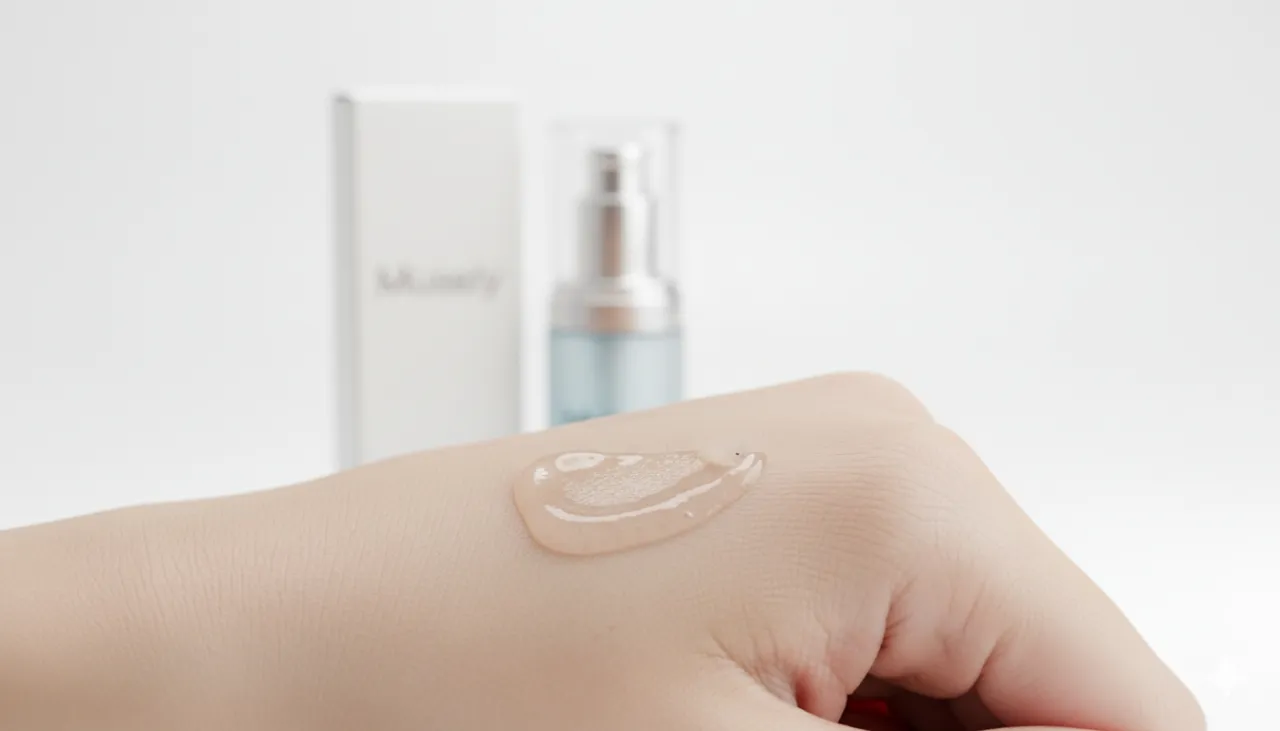
Musely Eye Serum vs. Other Options
I’ve tested a handful of other eye serums, and here’s how Musely stacks up:
- Compared to Ordinary Eye Serum: Musely is stronger because of tretinoin. Ordinary’s formula is gentler, better for beginners.
- Compared to L’Oréal Eye Serum: L’Oréal feels more hydrating but less corrective. Musely tackles deeper issues like fine lines and firmness.
Who It’s Best For (and Who Should Skip It)
Great for:
- People with fine lines, uneven tone, or puffiness.
- Those who want a stronger option than drugstore products.
- Anyone willing to wait 6–8 weeks for visible results.
Not for:
- Very sensitive or reactive skin.
- Pregnant or breastfeeding individuals.
- Anyone expecting an instant transformation.
How I Applied It (Step-by-Step Routine)
Here’s the method that worked best for me:
- Clean canvas: Start with washed, dry skin.
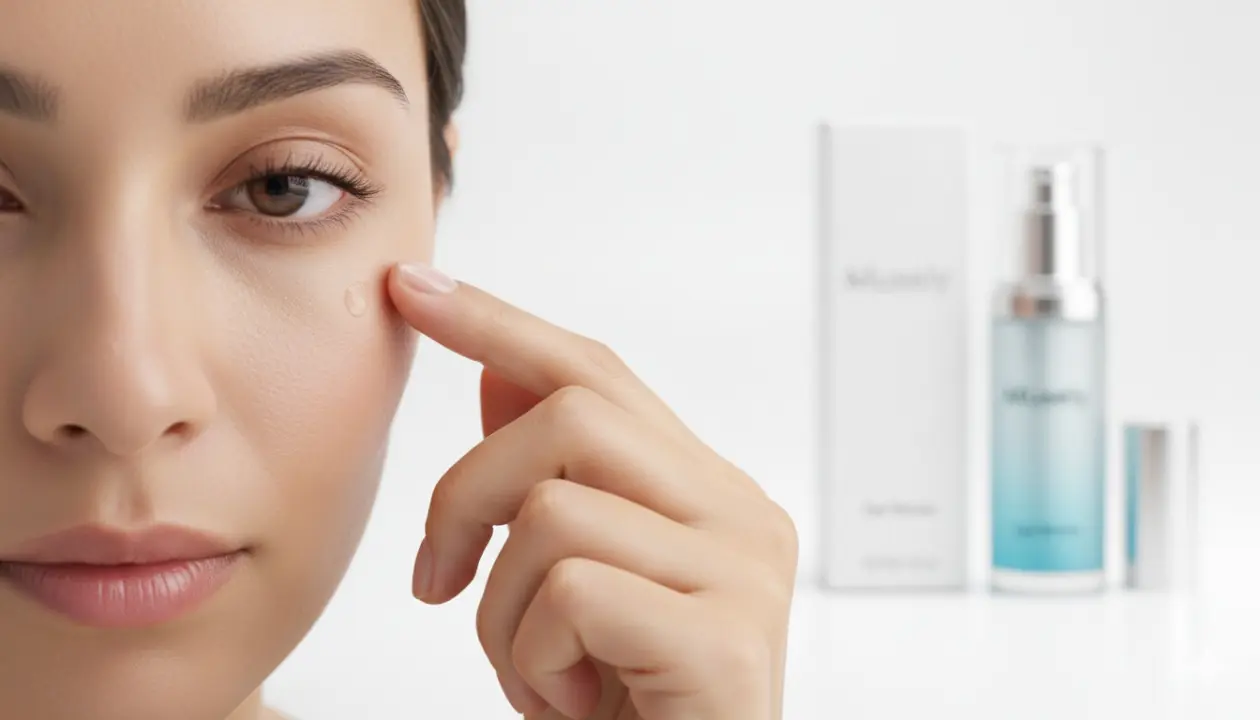
- Tiny amount only: A pea-sized dot covers both under-eyes.
- Tap, don’t rub: Use the ring finger for gentle tapping, never dragging.
- Evenings only: Safer since actives make skin more sun-sensitive.
- Build slowly: 2–3 times per week → every other night → near-daily use.
- Seal with hydration: If dryness hits hard, I use a gentle cream on top.
- SPF every morning: Non-negotiable. Retinoids demand sun protection.
Bonus tricks I used:
- The “sandwich method” (moisturiser → serum → moisturiser) when irritation flared up.
- Avoid mixing with glycolic acid or extra vitamin C on the same night.
- Never applied it to freshly waxed or irritated skin (learnt this the painful way).
Side Effects I Experienced
Let’s be honest: no product with tretinoin is side-effect-free.
- Redness: Mild, mostly during the first two weeks.
- Flaking: Showed up around week two, but eased with moisturiser layering.
- Tightness: Felt dry some mornings, but hydration helped.
Were these deal breakers? No. But if you expect zero irritation, you’ll be disappointed.
Frequently Asked Questions
- How often should I use it?
I started with every third night to let my skin adjust, then moved to every other night. Daily use was too strong for me. - Can I use it with other products?
Yes, but be careful. Pairing it with gentle moisturisers works best. I avoided layering with other strong actives like glycolic acid to prevent irritation. - How long before I see results?
For me, hydration effects showed up quickly within days. Brightening and smoothing took about 6–8 weeks. Patience is key here. - Is it safe for all skin types?
Not exactly. If you have very sensitive or reactive skin, tretinoin can be harsh. But if you’ve handled retinol or prescription skincare before, you might adjust well. - What’s the difference between Musely Eye Serum and ordinary retinol serums?
Musely contains tretinoin, which is stronger than over-the-counter retinol. If you want something gentler, you might look at Ordinary Eye Serum as a starting point.
Conclusion
Musely’s treatment isn’t a casual add-on, it’s a commitment. The formula is potent, the results are real, and the adjustment period can be rough if you’re not prepared.
For me, the payoff was worth it: smoother texture, fewer lines, brighter mornings, and skin that looked healthier overall.
Would I recommend it? Yes—if you’re ready for patience, SPF diligence, and a little trial-and-error. If you’re new to retinoids, you may want to start with something milder.
Musely is for people serious about improving their under-eye area, not for those chasing a quick fix. In other words, it’s the skincare equivalent of a long-term relationship, not a fling.