
Eye Serum vs Eye Cream: Which One Does Your Skin Need?
If you’ve ever stood in front of your mirror, staring at the small army of skincare bottles and jars on your shelf, wondering, “Do I really need both of these under-eye products?”—welcome to the club. I’ve been there too. I used to think they were just fancy duplicates with different price tags. Spoiler: they’re not. The whole eye serum vs eye cream debate actually makes sense once you understand how each product works. They target the same area, yes, but they don’t behave the same way at all. And once I figured out that difference, my routine (and my mornings) changed completely.
When I first started exploring eye treatments, I tried everything from Olay’s hydrating formula to Musely’s intense under-eye serum. Later, I tested the Dr Dennis Gross Eye, which gave me some pretty impressive results too. After experimenting with all these, I finally understood what separates an eye serum from an eye cream and why both can play unique roles in your skincare routine.
What Exactly Is a Serum?
When I first heard the term, I imagined it as a tiny bottle of hope for sleepless nights and way too much screen time. Turns out, I wasn’t far off.
These lightweight blends are packed with concentrated actives caffeine, peptides, and hyaluronic acid that sink quickly into the skin to tackle puffiness, fine lines, and dullness.
Think of this step as that friend who gets straight to the point. No small talk, just results.
What I love most is how fast these formulas absorb. When I’m running late (which, let’s be honest, happens often), I can dab a few drops under my eyes, and it disappears within seconds. No stickiness, no greasy residue, just a refreshed look that makes me appear more awake than I feel.
Key ingredients you’ll usually find include:
- Caffeine: Reduces swelling and puffiness.
- Peptides: Improve firmness and elasticity.
- Niacinamide: Brightens tired skin.
- Hyaluronic Acid: Adds hydration and plumpness.
If your main concern is fatigue or early fine lines, this lighter option is your go-to. It doesn’t just sit on the surface; it works deep where it matters.

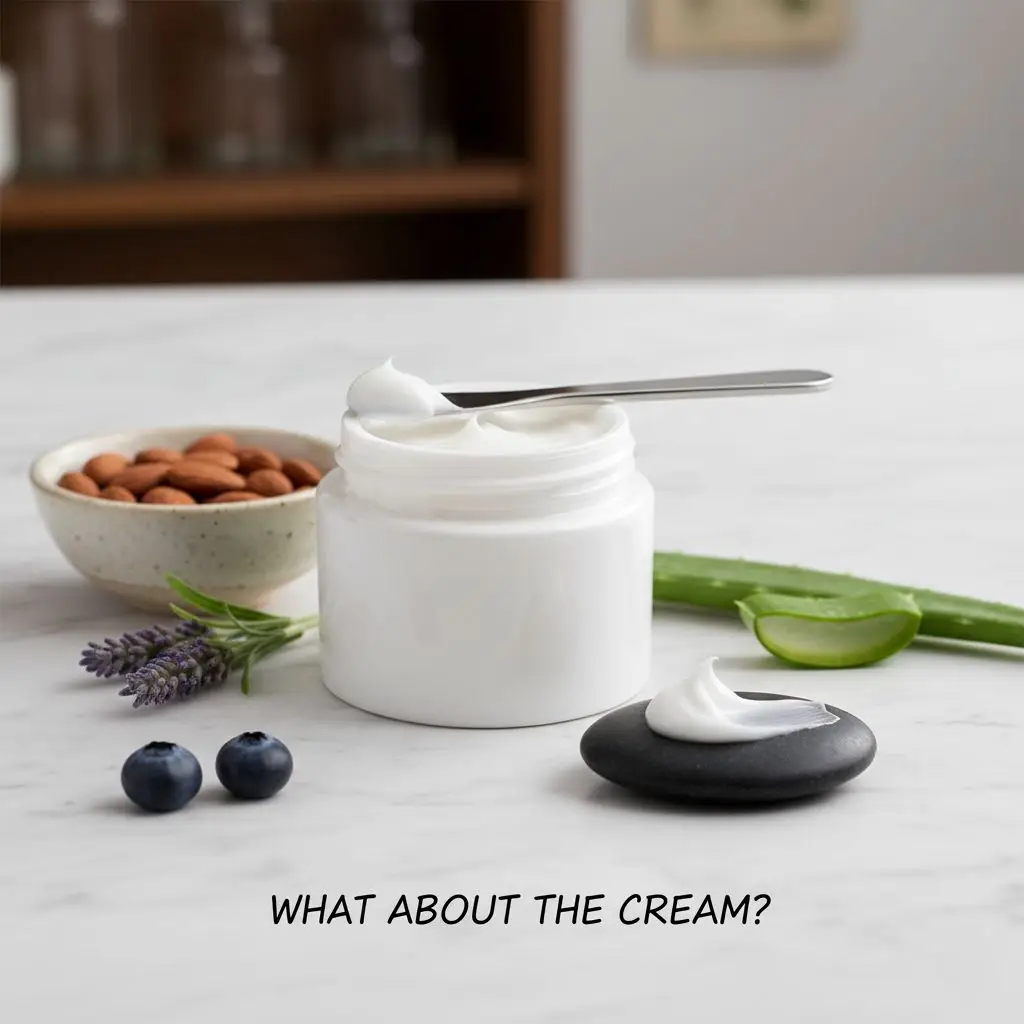
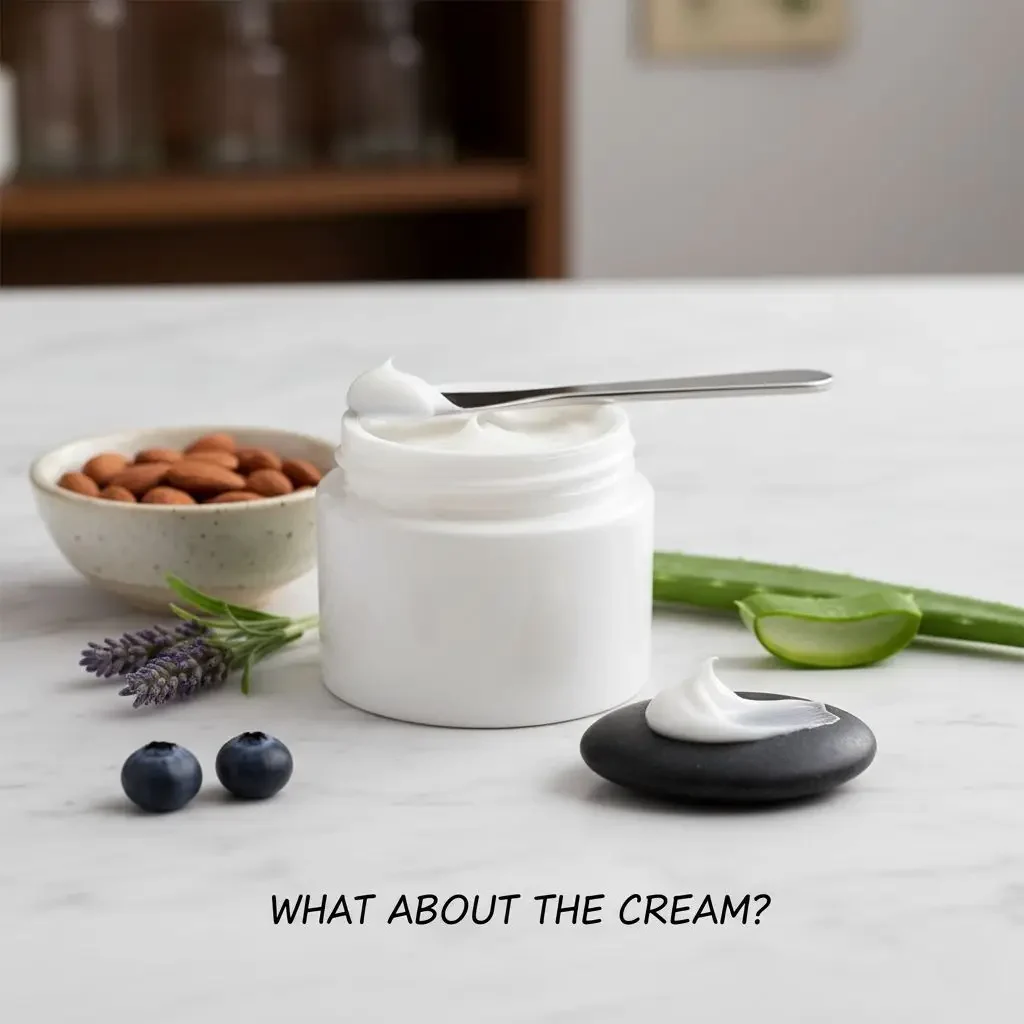
And What About the Cream?
Now, the thicker counterpart of the comfort layer of your skincare. These richer formulas are designed to nourish and protect the delicate skin around the eyes, sealing in moisture and keeping it soft.
Where the previous step focuses on treatment, this one is about protection and hydration retention.
When my under-eyes feel dry or tight (especially in winter), I always reach for a creamy option. It keeps the area smooth and prevents makeup from settling into fine lines.
Common ingredients include:
- Ceramides: Strengthen the barrier.
- Retinol: Softens wrinkles.
- Shea Butter or Oils: Deliver lasting moisture.
- Caffeine: Adds a de-puffing boost.
So, while one formula wakes your skin up like an espresso shot, the other comforts it like a cup of hot cocoa.
Main Differences at a Glance (Eye serum vs Eye cream)
Feature: Lightweight Formula Rich Moisturiser
Texture: Thin and fluid, Creamy and thick
Purpose: Targets dark circles, puffiness, and fine lines. Deep hydration and nourishment.
Absorption Fast Slower, leaves a soft layer
Best for Oily or younger skin, Dry or mature skin
Timing: Ideal for mornings, better suited for nights
|
Feature |
Lightweight Formula |
Rich Moisturiser |
| Texture | Thin and fluid | Creamy and thick |
| Purpose | Targets dark circles, puffiness, fine lines | Deep hydration and nourishment |
| Absorption | Fast | Slower, leaves a soft layer |
| Best for | Oily or younger skin | Dry or mature skin |
| Timing | Ideal for mornings | Better suited for nights |
In short:
- If your under-eyes need a wake-up call, go with the lighter one.
- If the area feels parched or tight, reach for the richer version.
- Some days, you might need both, and that’s perfectly fine.
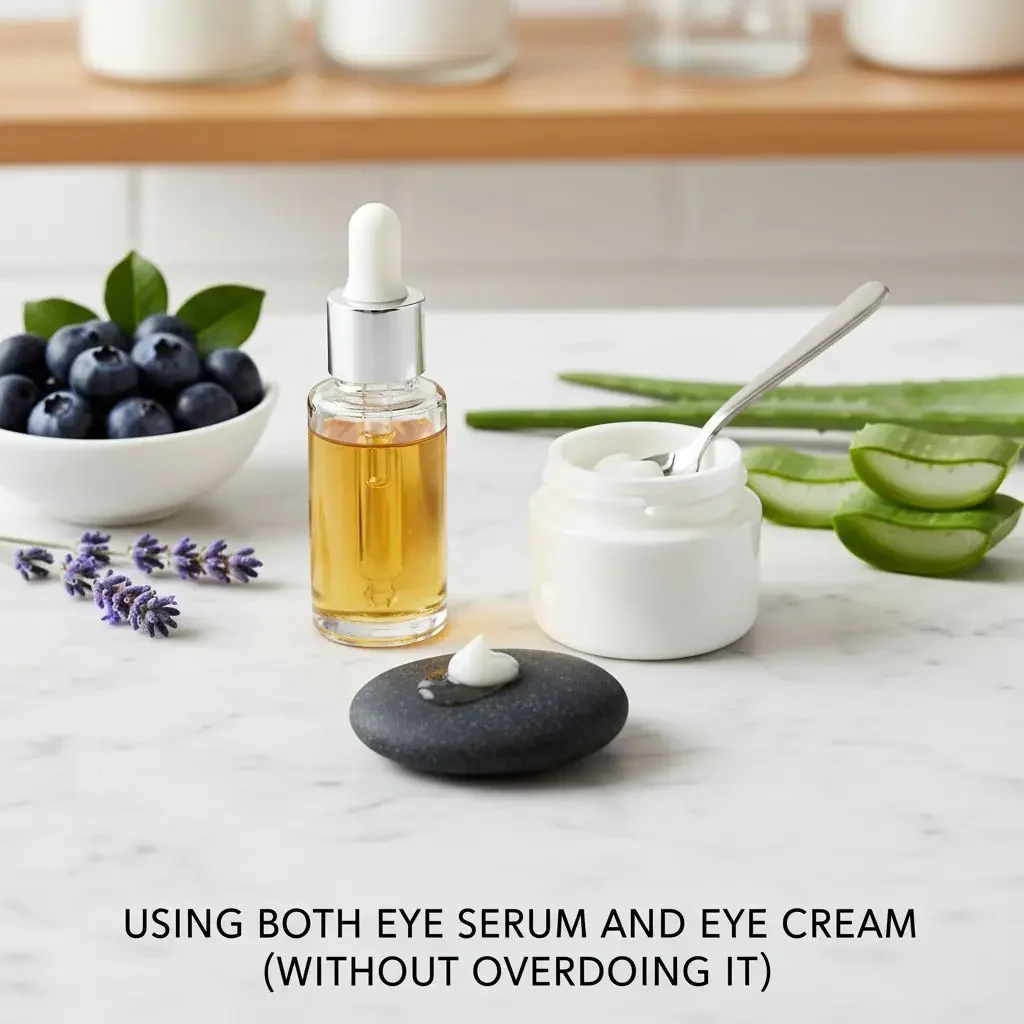
Using Both (Without Overdoing It)
Yes, you can absolutely use both. The trick is layering them in the right order.
Here’s my usual routine:
- Start with a clean face.
- Apply the lighter formula first, just one drop under each eye, gently tapped in with the ring finger.
- Wait a few seconds for it to absorb.
- Follow with a thin layer of moisturiser on top to lock everything in.
Morning tip: If the product contains caffeine, apply it early to reduce puffiness.
Evening tip: If your richer blend has retinol, keep it for nighttime repair.
You don’t have to double up every day. I skip the second step when I’m tired or short on time.
Who Should Use What?
Here’s a simple guide based on what your skin is telling you:
You’ll probably prefer the lighter formula if:
- You’re under 40 and just noticing fine lines.
- You like quick-absorbing textures.
- Puffiness or shadows are your main concerns.
You’ll likely enjoy the richer one if:
- You have dry or mature skin.
- You want a smoother makeup application.
Choosing the Right Product
Here’s what I personally look for before adding anything new to my shelf:
- Transparent ingredient list, no mystery blends.
- Texture match lightweight in the morning, nourishing at night.
- Affordable yet effective, I’m a big fan of formulas that work without draining your wallet.
- No added fragrance, that delicate area doesn’t need perfume.
Common Myths
Let’s clear a few things up:
Myth 1: A regular face moisturiser does the same thing.
→ Not quite. The under-eye area is thinner and more delicate, so it needs milder ingredients.
Myth 2: These products are only for people over 40.
→ Nope. Starting early helps keep things smooth longer.
Myth 3: Lightweight formulas don’t hydrate.
→ They do, but in deeper layers. The thicker ones just seal it in.
Myth 4: Using both causes breakouts.
→ Not if you apply them correctly and pick the right match for your skin.
When You’ll Notice Results
For me, puffiness started improving in about two weeks, while brightness took closer to a month. Fine lines softened after consistent use for around six weeks.
The real secret? Consistency. Skipping days slows progress. I’ve tested that theory unintentionally more than once.
FAQs – eye serum vs eye cream
1. Can I use both an eye serum and an eye cream together?
Yes, absolutely. I often layer both serum first, cream second. The serum delivers targeted actives like caffeine or peptides deep into the skin, and the cream locks in moisture to keep everything smooth. It’s like having coffee first and then breakfast; both do different jobs, but together they work even better.
2. How long does it take to see results?
Consistency is key. You’ll usually see small improvements like reduced puffiness within two weeks, and better brightness or firmness within four to six weeks. I learned that the hard way.
3. Do men need eye serum or eye cream, too?
Of course! Eye care isn’t gendered; fatigue, puffiness, and fine lines don’t discriminate.
4. Can I use my regular face serum under my eyes?
Not always. Some face serums contain strong actives like AHAs or retinol that can irritate the thin under-eye skin.
5. How should I store my eye serum or cream?
I like keeping mine in the fridge; it feels refreshing in the morning and helps reduce puffiness. Plus, it’s a great wake-up call (without the caffeine jitters).
6. Can I apply eye serum vs eye cream products over makeup?
Not ideal. Eye serums and creams should always go on clean skin.
7. How much product should I use each time?
A drop or two of serum and a pea-sized dab of cream are enough for both eyes. Applying too much won’t speed up results; it’ll just waste product (and money).
8. What’s the best time to apply eye serum or cream?
Morning and night work best. I prefer serum in the morning (for puffiness) and cream at night (for hydration). It’s a simple rhythm that keeps the under-eye area happy and balanced.
Final Thoughts
Honestly, it’s not a competition. They’re teammates.
The lighter one wakes up with tired skin, while the richer version comforts and protects it overnight.
If your goal is to look rested and refreshed (even after a long week), using both strategically is the best move.
At the end of the day, skincare shouldn’t be complicated. It’s about finding what feels good, seeing results, and sticking with what works.